BPC-157 Oral vs. Injection — What Studies Show
BPC-157 oral vs injection routes compared using published animal study data. We cover what researchers observed with each route and what remains unstudied.
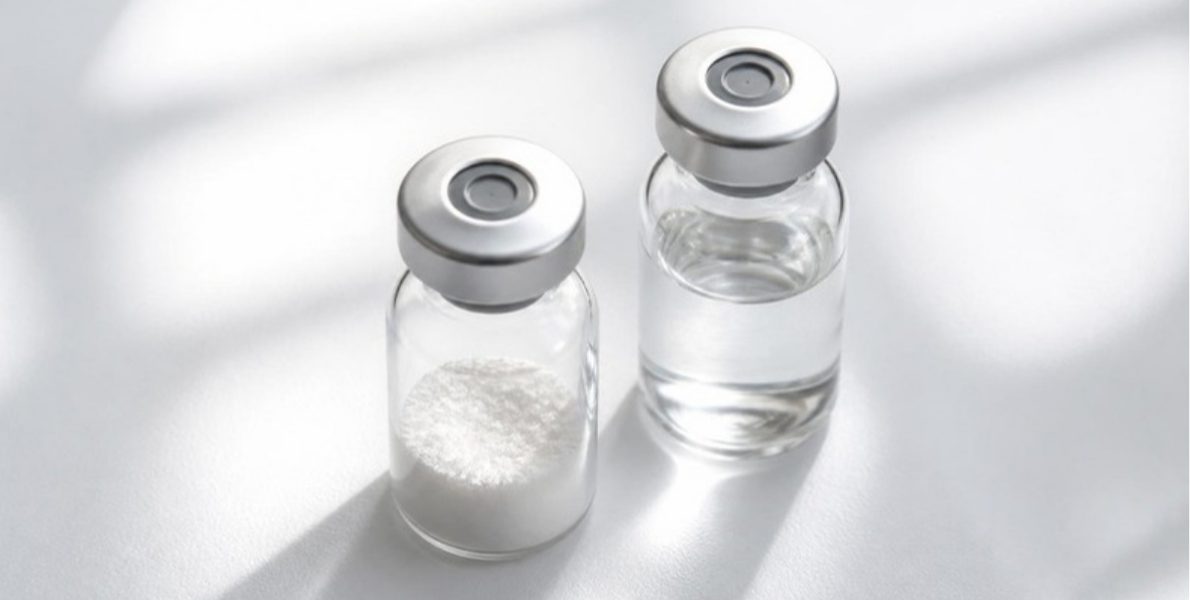
Research has been conducted on BPC-157 through oral and injection routes in animals. These two methods are not the same in terms of data collected, absorption properties, and diseases studied. Here is what is known from the literature behind these two routes and where the data is lacking.
Two Routes Studied in Animals
How Oral Administration Works in Studies
In oral studies, BPC-157 is typically given to rats via gavage (a tube that delivers liquid directly to the stomach) or dissolved in drinking water. The oral route is particularly relevant for gastrointestinal models because the peptide reaches the GI tract directly. BPC-157's apparent stability in acidic conditions makes oral administration more plausible than for most peptides of similar size (Sikiric et al., 1993).
How Injection Routes Are Used
Injection methods can involve intraperitoneal injection (injection into the abdominal cavity) or subcutaneous injection. Intraperitoneal injection is frequently used in studies with rodents due to its rapid systemic absorption. Subcutaneous injection may be used when local effects are required at the site of injection. There are no concerns about bioavailability since the injection route avoids the digestive system completely.
What Animal Studies Found
Oral Route Findings
The oral usage of BPC-157 revealed beneficial outcomes in experiments on rats suffering from gastric ulcers, colitis, lesions of the esophagus, and problems with the joins of their bowel. The results can obviously be interpreted logically in the manner that the peptide is delivered to the GI tract to receive the above-mentioned results. Some of the previous studies of the oral form also showed effects beyond the GI tract (i.e. Systemic effects), which means that the peptide should enter the bloodstream after being absorbed into the system via the gut.
Injection Route Findings
Injects research involves studying models from tendon and bone to blood vessels, nerves, and brain chemistry. The ability of injections to be delivered systemically allows for the study of effects in all tissues of the body. The most important contributions of non-GI findings to BPC-157 literature come from injects research.
| Factor | Oral | Injection |
|---|---|---|
| Convenience | Simpler administration | Requires injection technique |
| Research data volume | Smaller subset, mostly GI | Larger body of research |
| Bioavailability | Partially characterized; GI stability noted | Direct systemic delivery |
| GI-specific models | Primary route for GI research | Less relevant for local GI effects |
| Systemic models | Limited data on systemic effects via oral | Standard for systemic studies |
The Bioavailability Question
Why Route Matters for Peptides
Digestive enzymes typically break down peptides, which is why the majority of therapeutic peptides, including insulin, are injected instead of being consumed orally. BPC-157 could be an exception to this rule, thanks to its unique stomach stability, but "could be" is the key phrase in this regard. None of the published studies so far have indicated the exact oral bioavailability of BPC-157. The results observed after the oral administration of the peptide in rats indicate that absorption occurs, but the exact amount absorbed is still unknown.
What We Do Not Know
The percentage of oral bioavailability of BPC-157 in various organisms is not known. We are unaware if injections and oral medications create an equal amount of exposure in the entire system when taken in similar quantity. We have no idea if the oral route produces different types of metabolites than injection. All these are key pharmacokinetics queries still unanswered.
FAQ, BPC-157 Routes
Is oral BPC-157 as effective as injection in studies?
There are only a few studies with direct head-to-head comparisons. Animal models yielded positive results with both administration routes, but these results are from different types of animal models. Gastrointestinal (GI) models are preferable for oral routes. On the other hand, musculoskeletal and vascular models rely mostly on injection techniques. It is impossible to compare the effects of each route of administration without head-to-head comparison trials done at the same dose level.
Which route has more research behind it?
Most published studies have used injection (most often intraperitoneal), and so most available data for non-GI settings has come from injection studies. There is much less research on oral administration, but this approach is still valuable for those tests in the area of GI disease models.
Can results from one route predict the other?
No. Different routes involve different absorption pathways, differently exposed tissues and possibly even different metabolic processes. Positive results from injections do not assure positive results by mouth and vice versa.
Keep reading
BPC-157 Nasal Spray — What We Know So Far
BPC-157 nasal spray products are appearing online. What research exists on intranasal peptide delivery and what is unproven.

BPC-157 and Gut Health — Research Summary
What animal studies report about BPC-157 and gut health. Gastric protection models, mucosal healing and the evidence gap.

Does BPC-157 Work? What the Evidence Says
Does BPC-157 work? We look at what animal studies report, why human data is missing and how to interpret anecdotal claims you find online.
Compare the current picks
Prices, sizes and ratings side by side, updated when the merchant pages change.
See top picks