1
Top pick
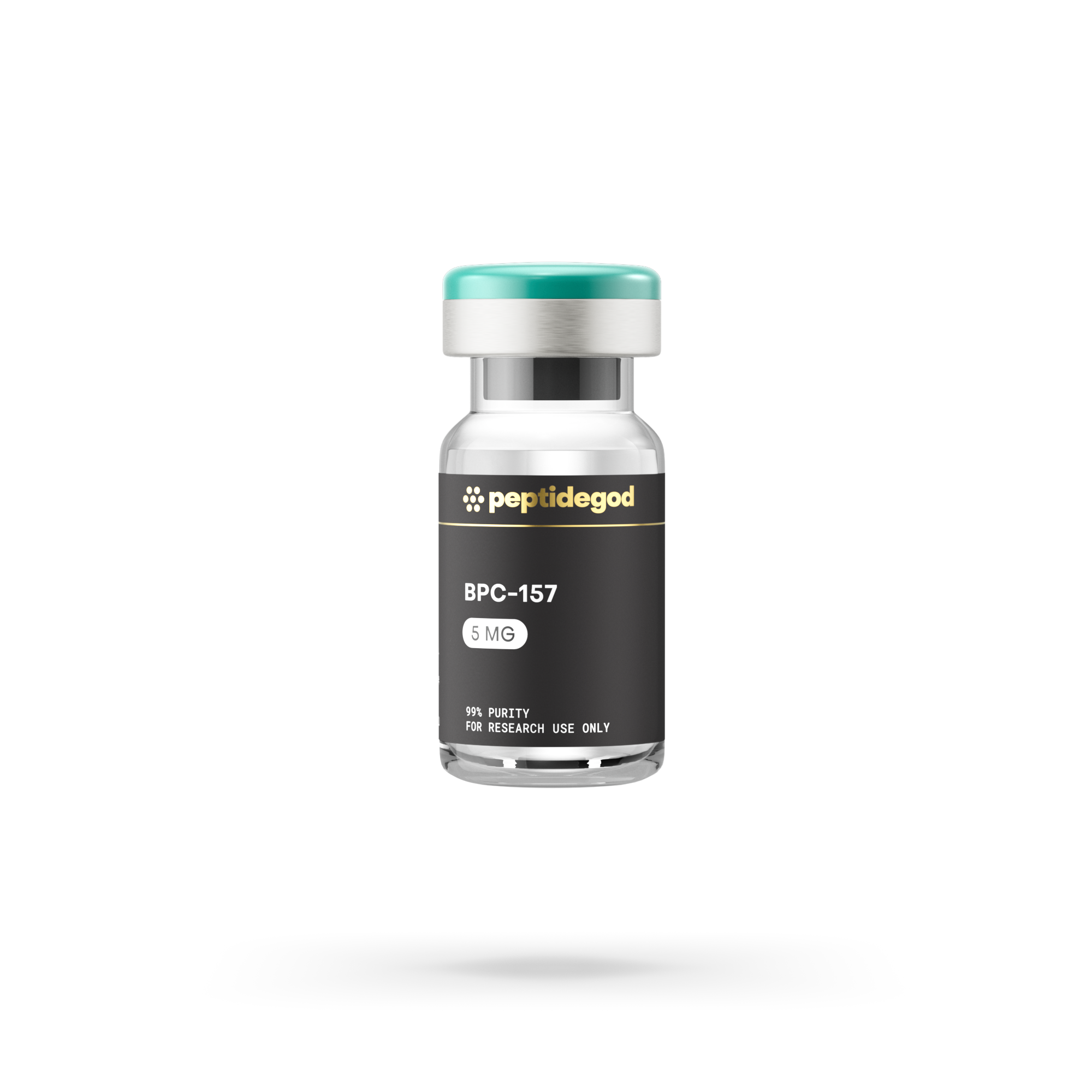
Peptide God
BPC-157
Explore BPC-157 product options from Peptide God. View available sizes, product details, pricing, and ordering information.
$34.95
Check price
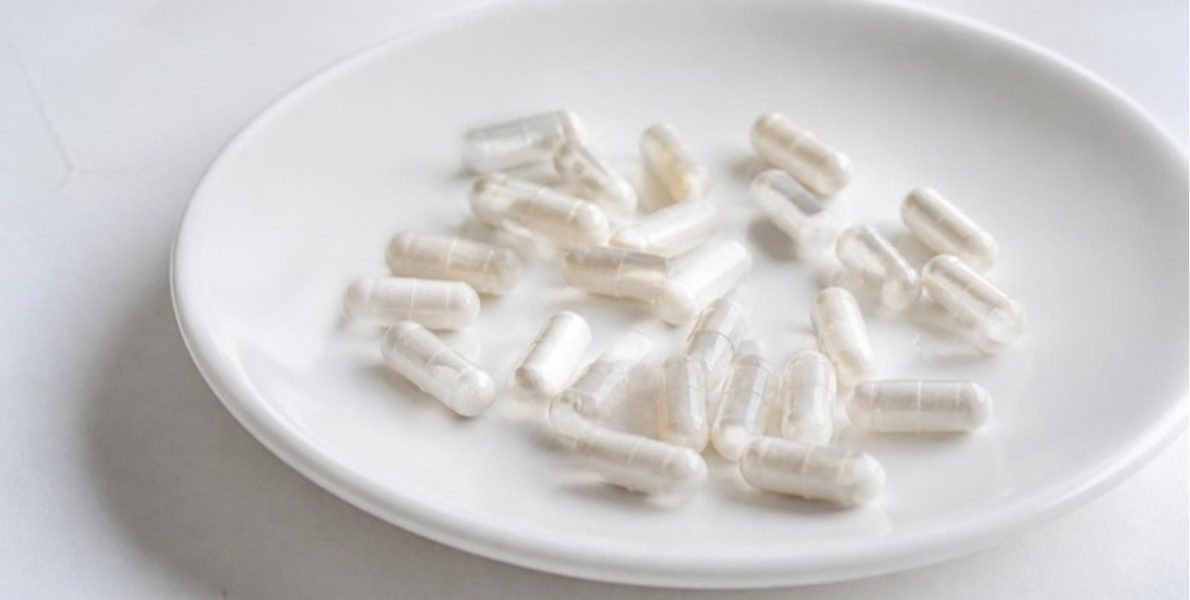
BPC-157 capsules compared to vials on price, bioavailability data and convenience. What published research says about oral peptide stability and absorption.
Explore BPC-157 product options from Peptide God. View available sizes, product details, pricing, and ordering information.
We look for a batch-level certificate of analysis published by the merchant.
Purity percentage and milligrams per vial as stated on the product page.
Clear research-use labeling, lot numbers and storage instructions.
Vials compared on price per milligram, not on sticker price.
Explore BPC-157 product options from Peptide God. View available sizes, product details, pricing, and ordering information.
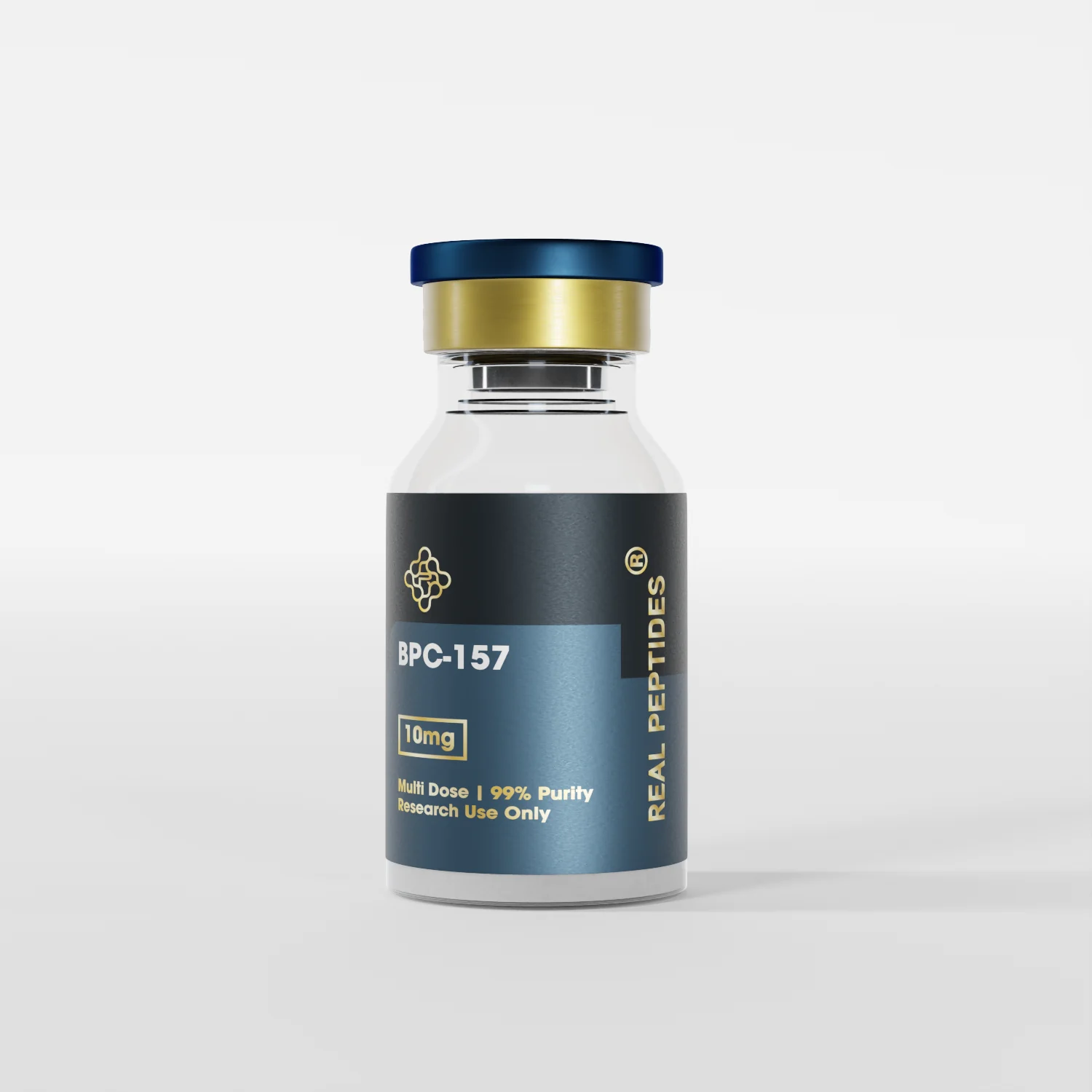
BPC-157 peptide for research, 10mg vial. Independent lab testing, lot COA published before purchase, US stock shipped in 24 hours. Research use only.
| Product | Amount | Price |
|---|---|---|
| Peptide God BPC-157 | - | $34.95 |
| Real Peptides BPC-157 Peptide 10mg | 10mg | $43.20 |
BPC-157 capsules are an alternative to the traditional lyophilized powder vials. The capsule format appeals to people who want convenience, but the research picture is different: most published BPC-157 studies used injectable or intraperitoneal routes, with a smaller subset using oral administration. Here is what you need to know about BPC-157 capsules before buying.
Using capsules is straightforward. With no need for mixing, use of bacteriostatic water, or measurement, all one needs to do is take the capsule orally. On the other hand, vials of lyophilized powder require mixing the powder with bacteriostatic water and accurate measurement. For those who look for convenience of use, the capsule is the winner. However, for scientists requiring precise dosing, vials are a better option.
This is the critical issue. Peptides generally have poor oral bioavailability because digestive enzymes break them down before absorption. BPC-157 is unusual among peptides because some animal studies report effects when administered orally, suggesting it may survive gastric conditions better than most peptides (Sikiric et al., 1993). However, "appears to survive gastric acid in rat studies" is not the same as "proven bioavailable in humans through a capsule."
Capsule products typically cost more per milligram of BPC-157 than lyophilized powder. The additional processing, encapsulation and sometimes added excipients contribute to the higher price. Whether the convenience justifies the premium depends on your priorities.
| Factor | Capsules | Lyophilized Vials |
|---|---|---|
| Convenience | High, no preparation needed | Requires reconstitution |
| Storage | Room temperature (varies) | Refrigeration recommended after reconstitution |
| Dosing precision | Fixed per capsule | Adjustable via volume |
| Price per mg | Generally higher | Generally lower |
| Research data | Limited oral-specific data | More research uses this form |
A subset of BPC-157 animal studies administered the peptide orally (via gavage or in drinking water) rather than by injection. These studies, primarily from the Zagreb group, reported positive observations in gastrointestinal models including gastric ulcer protection and mucosal healing. The oral route was specifically relevant because the compound was originally derived from a gastric juice protein, and its stability in acidic conditions was part of its initial appeal.
BPC-157 seems to be more stable in gastric acid than other peptides that are in its weight range. The reason behind this is its exceedingly high proline content (in the form of three consecutive proline residues). According to some scientists, the BPC-157 seems to retain structural stability even after incubation in simulated gastric fluid, which is why this property is quite extraordinary for pentadecapeptides.
There are multiple suppliers that provide BPC-157 capsules. However, the vendors we are tracking carry mainly freeze-dried vials of this product. The capsule market is served by a larger number of suppliers, including many whose products we are not able to track due to the lack of viability certificates. If you opt for capsules, use the same criteria used to assess the quality of the products in vial form: presence of COA, existence of independent testing, quality labeling.
In general BPC-157 capsules comprise the peptide along with filler excipients inside either a vegetarian or gelatin capsule. The exact quantity of peptide differs from product to product. Certain capsules are coated to ensure safety from stomach acid while others have the question of whether protective coating is required for peptides with stability in the stomach. So the user should always check the label for the quantity of peptide per capsule and make a comparison with vial products per milligram.
We are unable to address this because the term "effective" indicates a comparison between human clinical studies that does not exist. Some animal studies indicate outcomes through both the oral and injectable routes, but there is little data to make direct comparisons and no human study has assessed the two routes.
Peptides can be synthesized before either being combined with excipients, or even getting filled in capsule surfaces. Example of some products involves enteric coating. It is also essential to highlight that the typical manufacturing quality can greatly vary, so making both COAs and third-party testing highly important for capsules as well as vials.
Typically, lyophilized peptide within a hermetically-sealed capsule remains stable in normal temperatures, but the manufacturer may suggest that the lyophilized product should be stored in a cold place. After a capsule is prepared, the peptide will no longer exist in a reconstituted state, so the requirement for refrigeration applicable to reconstituted vials does not apply here.
Capsules also have other costs in their overall manufacturing costs including production costs but also encapsulation, excipients, quality control of the final product, and sometimes enteric coating. So all of this adds cost to the per milligram price.
Prices, sizes and ratings side by side, updated when the merchant pages change.
See top picks