BPC-157 and Gut Health — Research Summary
What animal studies report about BPC-157 and gut health. Gastric protection models, mucosal healing and the evidence gap.

It is on the basis of the association of BPC-157 and the health of the gut that the research on the peptide began. The compound was first extracted from a protein of gastric juice, and gastrointestinal models are the best-studied field in the BPC-157 literature. Animal studies provide the following findings while the data on human gut conditions are not known.
Why Gut Health Is Studied with BPC-157
The Gastric Juice Origin
BPC-157 was isolated from a protein in human gastric juice, the fluid that protects the stomach lining from its own acid. This origin naturally directed early research toward gastrointestinal applications. If a fragment of a gastric protective protein showed protective properties on its own, it was worth studying in gut injury models. That logical thread led to decades of animal research on BPC-157 and GI conditions.
What Researchers Hypothesized
The initial hypothesis was straightforward: if the parent protein protects the gastric mucosa, perhaps the isolated fragment retains some of that protective function. Early studies tested this by creating gastric ulcers in rats and observing whether BPC-157 administration affected healing. The results supported the hypothesis in the rat model (Sikiric et al., 1993).
Animal Study Findings
Gastric Ulcer Models
Multiple studies report that BPC-157 administration reduced gastric ulcer severity in rats. These studies used various ulcer induction methods (ethanol, NSAIDs, stress) and observed reduced lesion area and faster mucosal healing in BPC-157-treated groups compared to controls. Both oral and intraperitoneal routes showed effects in these models.
Inflammatory Bowel Models
Rat models of colitis (using agents like TNBS or DSS to induce gut inflammation) showed reduced inflammation markers after BPC-157 administration (Seiwerth et al., 2018). The observations included reduced tissue damage scores, lower inflammatory cytokine levels and improved histological appearance of the intestinal lining.
Mucosal Protection Data
There have been research works regarding BPC-157, apart from the ones relating to ulcers and colitis. This research is related to esophageal damage, healing through intestinal anastomosis (surgery for rejoining cut intestine), and injury to intestines caused by NSAIDs. The studies conducted have shown similar results: animals treated with BPC-157 have always shown better results than those treated with placebo.
What Is Missing
No Human GI Clinical Trials
Though the animal studies available on GI models are many, no human trial for any GI disorder has been conducted and published. This is the key gap. Rat physiology has some characteristics similar to human GI physiology, which makes these models more relevant than some other research options in respect to BPC-157. However, it does not mean that more relevance equals to equivalence, and considerable clinical validation is necessary to accept rat data as applicable to human treatment.
Dose and Duration Unknowns
Assuming even if the GI effects are applicable to humans (which remains unverified), we do not know the suitable dose, treatment duration, or extended safety profile concerning human GI use. The dosages applied in the studies performed on rats cannot be extrapolated to humans without pharmacokinetic studies that have not been released yet.
FAQ, BPC-157 and Gut Health
Can BPC-157 heal a stomach ulcer?
In rat models, BPC-157 was associated with reduced ulcer severity and faster mucosal healing. No human trial has tested whether BPC-157 can heal a stomach ulcer in people. If you have an ulcer, consult a healthcare provider for proven treatments.
Has BPC-157 been tested for IBS?
We have not discovered that BPC-157 has been studied for use in IBS type models. The colitis models discussed in research are relevant but not the same as IBS. There is no available human data on the use of BPC-157 in patients with IBS.
Is oral BPC-157 better for gut research?
The oral route delivers BPC-157 directly to the GI tract, which is logically relevant for gut models. Several GI studies used oral administration and reported positive results. Whether oral administration is "better" depends on the specific research question. Both oral and injection routes have shown effects in GI models.
Keep reading
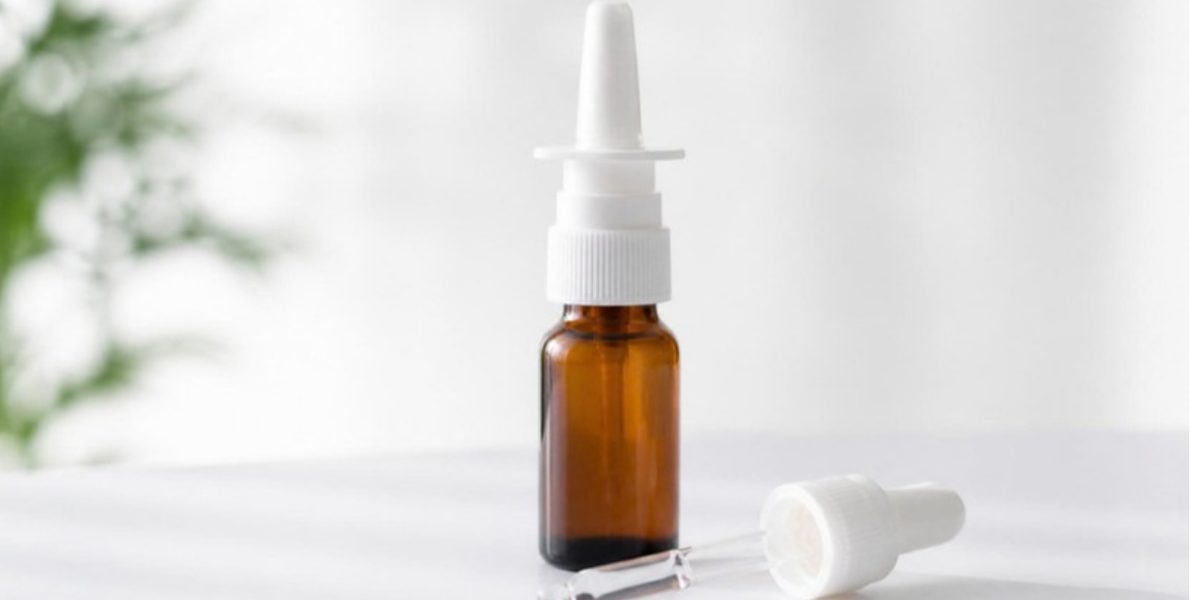
BPC-157 Nasal Spray — What We Know So Far
BPC-157 nasal spray products are appearing online. What research exists on intranasal peptide delivery and what is unproven.
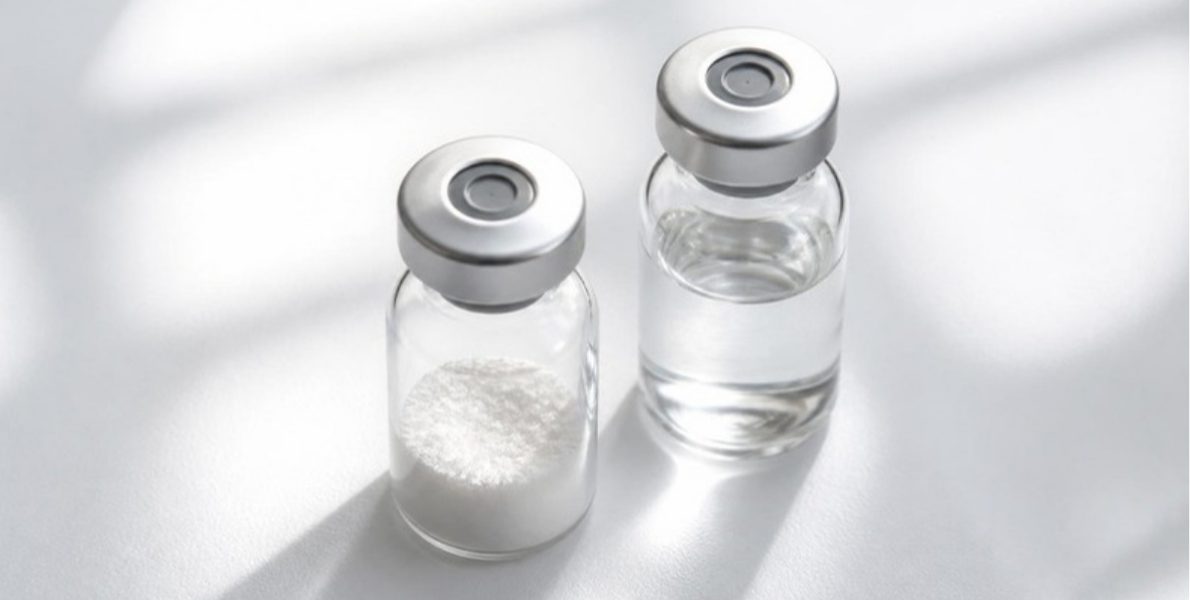
BPC-157 Oral vs. Injection — What Studies Show
BPC-157 oral vs injection routes compared using published animal study data. We cover what researchers observed with each route and what remains unstudied.

Does BPC-157 Work? What the Evidence Says
Does BPC-157 work? We look at what animal studies report, why human data is missing and how to interpret anecdotal claims you find online.
Compare the current picks
Prices, sizes and ratings side by side, updated when the merchant pages change.
See top picks