BPC-157 Reconstitution Calculator
Free BPC-157 reconstitution calculator. Enter vial size and water volume to find concentration per unit. For research math reference, not dosing advice.
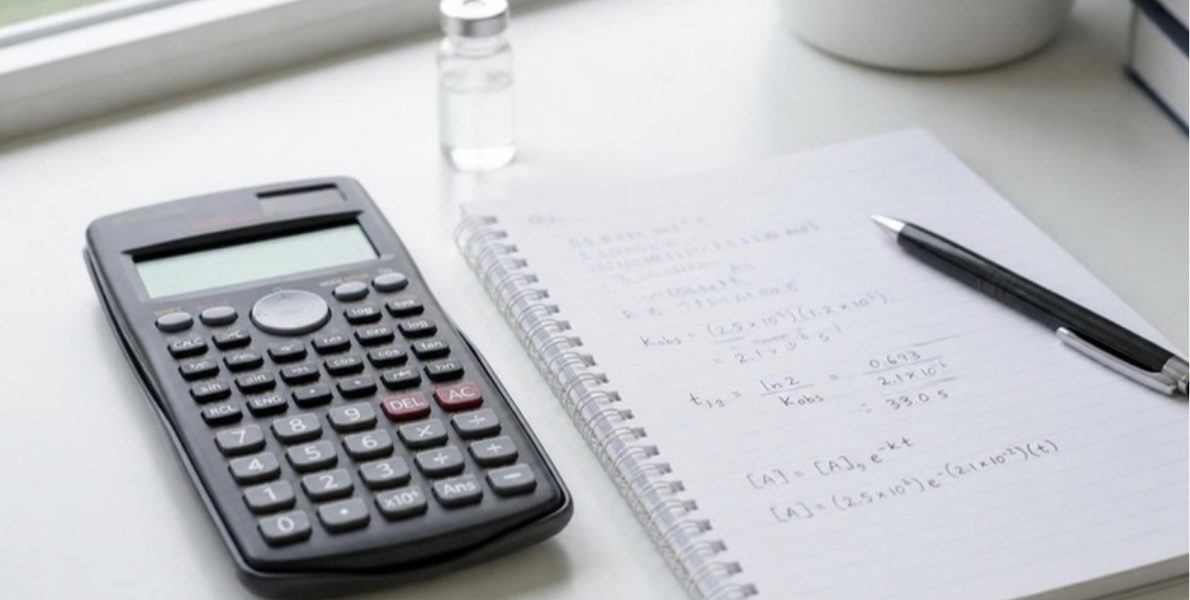
Use this tool for performing reconstitution calculations for the BPC-157 vials of peptide. Feed in the existing amount of peptide present in your vial and the amount of bacteriostatic water you have used, and it returns the concentration of the compound for you. It is to be used only as a research resource, and not as a guide for dosing.
How the Calculator Works
Inputs and Outputs
You will have to input the total amount of peptide that is present in your vial (in milligrams) and the volume of the bacteriostatic water that you want to add to it (in milliliters) into the calculator. It will perform the division of the peptide total against the total amount of water in order to calculate the amount of peptide per volume.
The Math Behind Reconstitution
The calculation is simple: concentration = mass of peptide / volume of solvent. For a 5 mg vial in which we add 2 ml of bacteriostatic water, the concentration is calculated as 5000 mcg / 2 ml or 2500 mcg per ml, which equals 250 mcg per 0.1 ml. The calculator makes the computation for you.
Understanding Reconstitution
What Bacteriostatic Water Does
Bacteriostatic water is free from bacteria and has benzyl alcohol concentration of 0.9% that inhibits bacterial growth. It is commonly used in reconstituting lyophilized peptides in laboratories. Use of plain sterile water is also an option but since it lacks preservatives, the usable window for the solution is shorter. Bacteriostatic water can be purchased from Real Peptides for $4.80 in 10 ml vials.
Why Volume Matters
The amount of water added influences the concentration level. The addition of more water leads to a decreased amount of concentration per unit volume, making it simpler to measure low concentrations. To quantify higher concentrations, on the other hand, one needs less water to measure the same amount of outputs.
Concentration Formula Explained
If there is 5 mg of BPC-157 in your vial and 1 ml of water was added, it means that 0.1 ml has 500 mcg of the peptide. If you added 2 ml instead, 0.1 ml would have only 250 mcg. The total amount of the peptide has not changed, only the number of portions has.
Common Reconstitution Scenarios
| Vial Size | BAC Water | Concentration per 0.1ml |
|---|---|---|
| 5mg | 1ml | 500 mcg |
| 5mg | 2ml | 250 mcg |
| 10mg | 1ml | 1000 mcg |
| 10mg | 2ml | 500 mcg |
| 10mg | 3ml | 333 mcg |
Storage After Reconstitution
Temperature Requirements
After reconstitution, BPC-157 should be kept in a cool environment, i.e., at 2-8 degrees Celsius, which is the common refrigerator temperature. Avoiding any freezing of the peptide solutions is recommended, as the freezing process may lead to degradation of the peptide. When storing the vial, please note that it must remain in an upright position and not be exposed to light. Lyophilized powder that has not been reconstituted is relatively stable and can be stored at room temperature for limited time durations, although cooling is still the preferred option.
Shelf Life Considerations
Generally accepted norms indicate that reconstituted peptides in bacteriostatic water can be used for about 4 weeks, although some sources suggest shorter usage time frames. The presence of benzyl alcohol in bacteriostatic water prevents the bacteria but does not provide indefinite protection against peptide degradation. Lyophilized powder in the bottle in its original form has a significantly longer shelf life lasting a few months due to proper conditions.
FAQ, BPC-157 Calculator
How much bacteriostatic water do I add to BPC-157?
There is no definite amount determined. The quantity you put in dictates the concentration. For example, you can choose to use either 1 ml or 2 ml per vial. Use our calculator above to arrive at the concentration for your particular vial size and the amount of water used.
What concentration is standard for research?
There is no universal standard concentration. Scientific studies involving animals vary in regard to concentrations and doses, with some using a wide spectrum of them in their publications. The concentration that you make use of will depend on the precision of the measurements and the volumes that can be effectively used in the research.
Can I use sterile water instead of bacteriostatic water?
It is true that sterile water without added preservatives does not prevent the growth of bacteria. Solutions made with such plain sterile water should be used within a few days after preparation and must be stored in a refrigerator.
How long does reconstituted BPC-157 last?
General recommendations indicate that peptide should be kept for up to 4 weeks when it is mixed with bacteriostatic water and stored in a refrigerator at 2-8 degrees Celsius. While peptide degradation is a slow process, peptid potency is likely to diminish. Peptides should be properly stored and applied timely.
Compare the current picks
Prices, sizes and ratings side by side, updated when the merchant pages change.
See top picks